
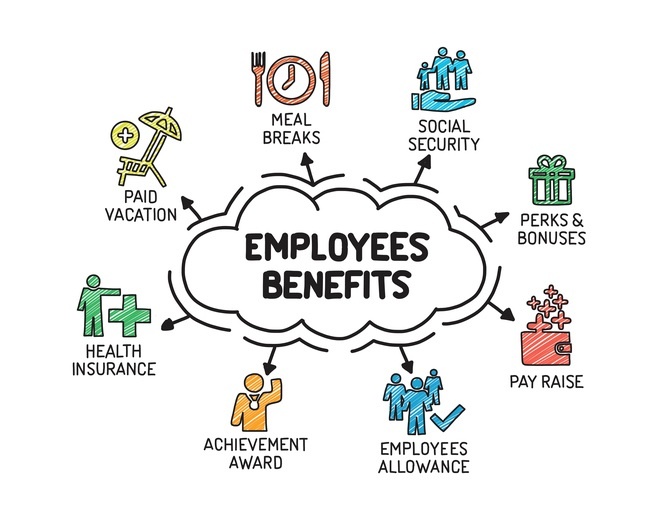
In today’s competitive job market, offering a robust employee benefits package is more than just a perk; it is a strategic necessity. Employee benefits play a crucial role in attracting and retaining talent while enhancing overall workplace morale and productivity. However, managing these benefits effectively can be a complex task. This article provides an overview of how employee benefits platforms can unlock significant value for both employers and employees, ensuring that these offerings are optimally utilized and appreciated.
Understanding the Importance of Employee Benefits
Employee benefits are integral to a comprehensive compensation package. They provide not only financial security but also contribute to the overall well-being of employees. Key benefits typically include:
- Health insurance
- Retirement plans
- Paid time off
- Flexible working options
- Wellness programs
By offering a diverse range of benefits, organizations can cater to the varied needs of their workforce. This diversity is crucial for enhancing job satisfaction and reducing turnover rates. To explore further insights into the importance of employee benefits, read more about this topic.
The Role of a Benefits Platform
A benefits platform serves as a centralized hub for the administration and management of employee benefits. It streamlines processes, making it easier for HR departments to manage benefits while providing employees with easy access to their options. Key features of a benefits platform include:
- Automated enrollment and management
- Customized benefit plans
- Comprehensive reporting and analytics
- Seamless integration with existing HR systems
These platforms not only simplify the management of benefits but also enhance transparency and communication between employers and employees. Learn more in this detailed guide on how a benefits platform can transform benefits management by clicking here.
Benefits for Employers
For employers, an effective benefits platform can lead to significant cost savings and operational efficiencies. It can help:
- Reduce administrative burden
- Enhance compliance with legal requirements
- Improve employee engagement and satisfaction
- Offer data-driven insights for better decision-making
Employers looking to optimize their benefits offerings can explore further insights here.
Advantages for Employees
From the employee’s perspective, a benefits platform provides a user-friendly experience that empowers them to make informed decisions about their benefits. Key advantages include:
- Easy access to benefit information
- Personalized benefits recommendations
- Streamlined claims processing
- Enhanced understanding of available options
For additional information on how employees can benefit from these platforms, find additional information here.
Future Trends in Employee Benefits Platforms
As technology continues to evolve, employee benefits platforms are also expected to advance. Future trends may include:
- Increased use of artificial intelligence for customized benefit offerings
- Greater emphasis on wellness and mental health programs
- Integration with broader HR and payroll systems
- Enhanced mobile accessibility and user experience
To stay ahead of these trends and ensure that your organization is leveraging the best available technology, consider exploring detailed resources and insights. Learn more in this detailed guide.
