
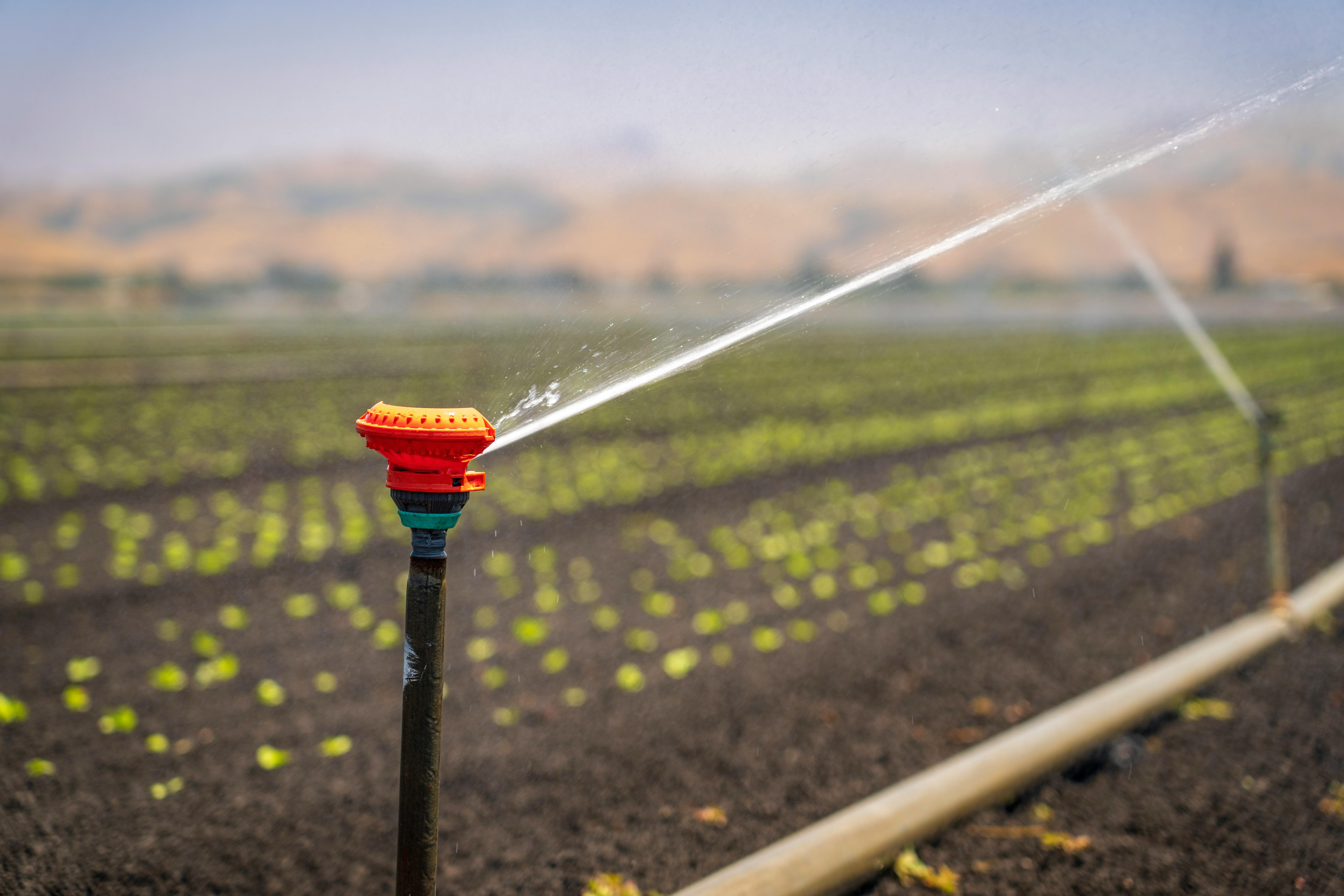
In the realm of modern agriculture, efficient water management is imperative. As climate change continues to impact weather patterns, the demand for innovative irrigation solutions has never been higher. Pod irrigation systems have emerged as a reliable method for optimizing water usage and ensuring sustainability in agricultural practices. This article delves into the fundamentals of pod irrigation systems, offering insights into their components, benefits, and installation processes. By understanding these systems, farmers and landowners can make informed decisions to enhance their irrigation strategies and improve crop yields.
What is a Pod Irrigation System?
Pod irrigation systems are a type of surface irrigation system that utilizes a series of flexible pipes and pods, or domes, to distribute water evenly across a field. This method is particularly beneficial for pasture irrigation and small-scale farming due to its adaptability and efficiency. The system’s components include:
- Flexible tubing: Usually made of durable polyethylene, it provides the main conduit for water flow.
- Pods: These are strategically placed along the tubing to disperse water over the desired area.
- Connectors and valves: These elements help to regulate water pressure and flow.
The design allows for easy installation and maintenance, making it a cost-effective choice for various agricultural settings. For more detailed information on system components, discover expert strategies here.
Benefits of Pod Irrigation Systems
Pod irrigation systems offer numerous advantages that can greatly enhance agricultural productivity. Key benefits include:
- Water Efficiency: By delivering water directly to the root zone, pod systems reduce evaporation and runoff, ensuring optimal water use.
- Flexibility: These systems can be easily adjusted to suit different field sizes and shapes, accommodating various crop types.
- Cost-Effectiveness: Due to their simple design and low maintenance requirements, pod systems are economical to install and operate.
- Sustainability: By promoting efficient water use, these systems support sustainable farming practices that can adapt to changing environmental conditions.
To learn more about tailored solutions that can enhance water management in agriculture, learn about our tailored solutions.
Installation and Maintenance
Installation Process
Installing a pod irrigation system involves several steps that ensure optimal performance and longevity. The process typically includes:
- Assessing the field layout to determine the best configuration for the tubing and pods.
- Setting up the mainline and lateral tubing, ensuring proper alignment and connectivity.
- Placing pods strategically to maximize water coverage and efficiency.
- Testing the system to adjust water flow and pressure as needed.
Proper installation is crucial for the system’s success. For guidance on advanced installation techniques, explore advanced guides and tips.
Maintenance Tips
Regular maintenance is essential to keep the system functioning efficiently. Key maintenance tips include:
- Inspecting tubing and pods for leaks or blockages and repairing any damage promptly.
- Cleaning filters and valves to prevent clogging and ensure smooth water flow.
- Monitoring water pressure to maintain consistent delivery across the field.
By adhering to these maintenance practices, the longevity and effectiveness of the system can be significantly enhanced. Find out more about this approach to maintaining pod irrigation systems effectively.
