
In today’s fast-paced business environment, companies are continually seeking ways to enhance efficiency and streamline operations. Custom software development plays a pivotal role in achieving these goals, offering tailored solutions that meet specific organizational needs. By leveraging bespoke applications, businesses can automate processes, improve productivity, and gain a competitive edge in the marketplace. As technology evolves, embracing custom software development becomes increasingly crucial for sustaining growth and innovation.
Understanding Custom Software Development
Custom software development involves creating applications specifically designed to meet the unique needs of an organization. Unlike off-the-shelf software, custom solutions are built from the ground up, ensuring they align perfectly with business processes and objectives. This personalized approach not only enhances operational efficiency but also offers scalability and flexibility.
Key Benefits of Custom Software
- Personalization: Tailored to meet the precise needs of a business, custom software ensures seamless integration with existing systems.
- Scalability: As businesses grow, custom applications can be easily updated and scaled to accommodate new requirements.
- Cost Efficiency: Although initial development costs may be higher, custom software typically results in long-term savings by reducing the need for additional licenses and modifications.
- Enhanced Security: Custom applications offer a higher level of security as they are less susceptible to common vulnerabilities associated with off-the-shelf solutions.
How Custom Software Streamlines Operations
Custom software development enables businesses to automate repetitive tasks and optimize workflows, significantly reducing manual intervention and human error. By integrating custom solutions, organizations can:
- Automate routine processes, freeing up valuable time for employees to focus on more strategic tasks.
- Enhance data accuracy by minimizing the possibility of errors in data entry and processing.
- Improve customer service by providing tailored solutions that cater to specific client needs.
- Facilitate real-time data access and analysis, empowering decision-makers with actionable insights.
Find out more about this approach by exploring advanced guides and tips tailored to the nuances of custom software development. (Explore advanced guides and tips)
Implementing Custom Software Development
The successful implementation of custom software development requires careful planning and execution. Here are some strategies to consider:
- Needs Assessment: Conduct a thorough analysis of business processes to identify areas where custom software can provide the most value.
- Choose the Right Development Partner: Collaborate with experienced developers who understand industry-specific challenges. Learn about tailored solutions that can address these challenges effectively. (Learn about our tailored solutions)
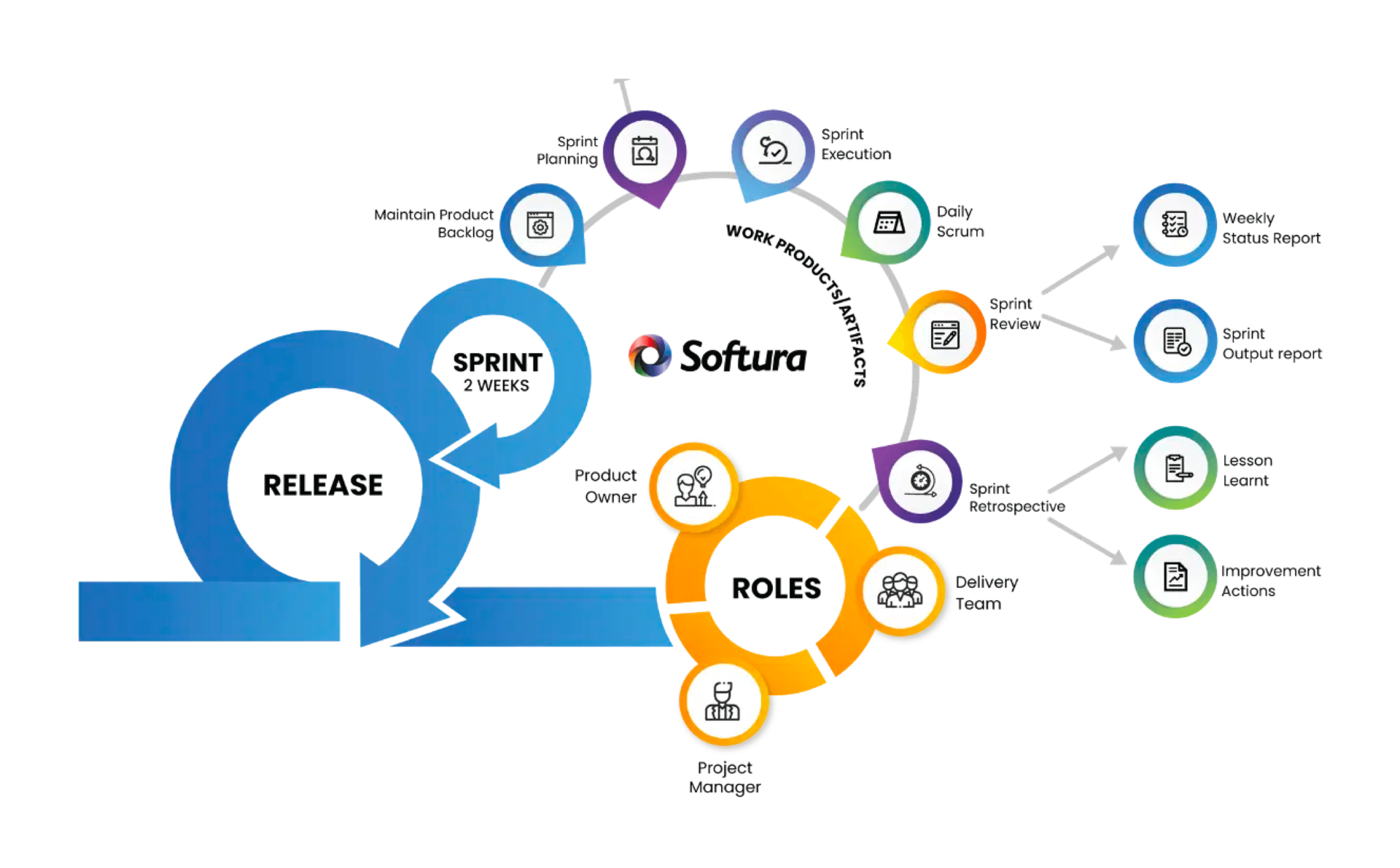
- Iterative Development: Employ agile methodologies to ensure flexibility and adaptability throughout the development process.
- Employee Training: Provide comprehensive training to ensure staff are equipped to utilize new software solutions effectively.
Discover expert strategies to streamline operations through custom software development. (Discover expert strategies here)
Conclusion
In an era where efficiency and adaptability are key to success, custom software development provides organizations with the tools they need to stay ahead of the competition. By investing in tailored solutions, businesses can optimize their operations, enhance productivity, and secure a strong competitive position. For more insights into the benefits and implementation of custom software development, find out more about this approach.
