
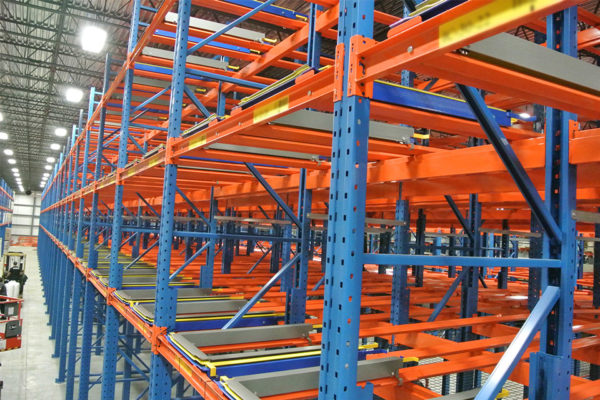
Pushback racking systems have emerged as a highly efficient and cost-effective solution for businesses looking to optimize their storage capabilities. As industries continue to evolve and the demand for space-efficient storage solutions increases, pushback racking offers a dynamic solution that maximizes warehouse space without compromising accessibility or ease of use. This article explores the various aspects of pushback racking systems, highlighting their advantages and implementation considerations.
Understanding Pushback Racking Systems
Pushback racking is a type of storage solution that allows for high-density storage and is particularly useful in warehouses with limited space. Unlike traditional racking systems, pushback racking utilizes a series of nested carts that move along inclined rails. This setup enables the storage of multiple pallets deep on a single lane, enhancing storage efficiency.
Key Features of Pushback Racking
- Space Efficiency: By allowing pallets to be stored several layers deep, pushback racking significantly increases the amount of storage space available within a given footprint.
- Accessibility: Pallets are loaded and retrieved from the same aisle, reducing the need for multiple aisles and enhancing accessibility.
- Versatility: Suitable for various types of products, from small items to bulky goods, making it a versatile choice for different industries.
- Cost-Effective: Reduces the need for additional warehouse space, lowering real estate costs and optimizing existing storage areas.
For detailed insights into how pushback racking can transform a storage facility, read more about this topic.
Advantages of Pushback Racking
Pushback racking systems offer several advantages that make them a preferred choice for many businesses. These benefits include:
- Increased Productivity: The design of pushback racking allows for faster loading and unloading processes, which can significantly enhance operational productivity.
- Improved Safety: By minimizing the need for deep aisle forklifts and reducing travel distances within the warehouse, pushback racking systems contribute to a safer working environment.
- Flexibility: Easily adjustable to accommodate varying pallet sizes and weights, offering flexibility in how storage space is utilized.
- Inventory Control: Facilitates an efficient inventory management system by providing clear visibility and access to stock.
To explore further insights into the advantages and applications of pushback racking, learn more in this detailed guide.
Considerations for Implementation
While pushback racking systems offer numerous benefits, it is essential for businesses to consider certain factors before implementation to ensure optimal performance and return on investment.
Key Factors to Consider
- Warehouse Layout: An assessment of the existing warehouse layout is crucial to determine the best configuration for the racking system.
- Load Requirements: Understanding the weight and size of the products to be stored is vital for selecting the appropriate racking specifications.
- Operational Workflow: The racking system should complement the operational flow of the warehouse to enhance efficiency.
- Budget Constraints: While pushback racking is cost-effective, initial setup costs should be evaluated against long-term savings and benefits.
For businesses interested in implementing pushback racking, find additional information here.
Conclusion
In conclusion, pushback racking systems present a compelling solution for businesses seeking to maximize their storage efficiency while minimizing costs. Their ability to optimize space, improve accessibility, and enhance productivity makes them an attractive option for various industries. By carefully considering warehouse layout, load requirements, and operational workflows, businesses can effectively implement pushback racking systems to achieve significant improvements in their storage operations. For a comprehensive understanding of pushback racking and its benefits, explore further insights here.
