
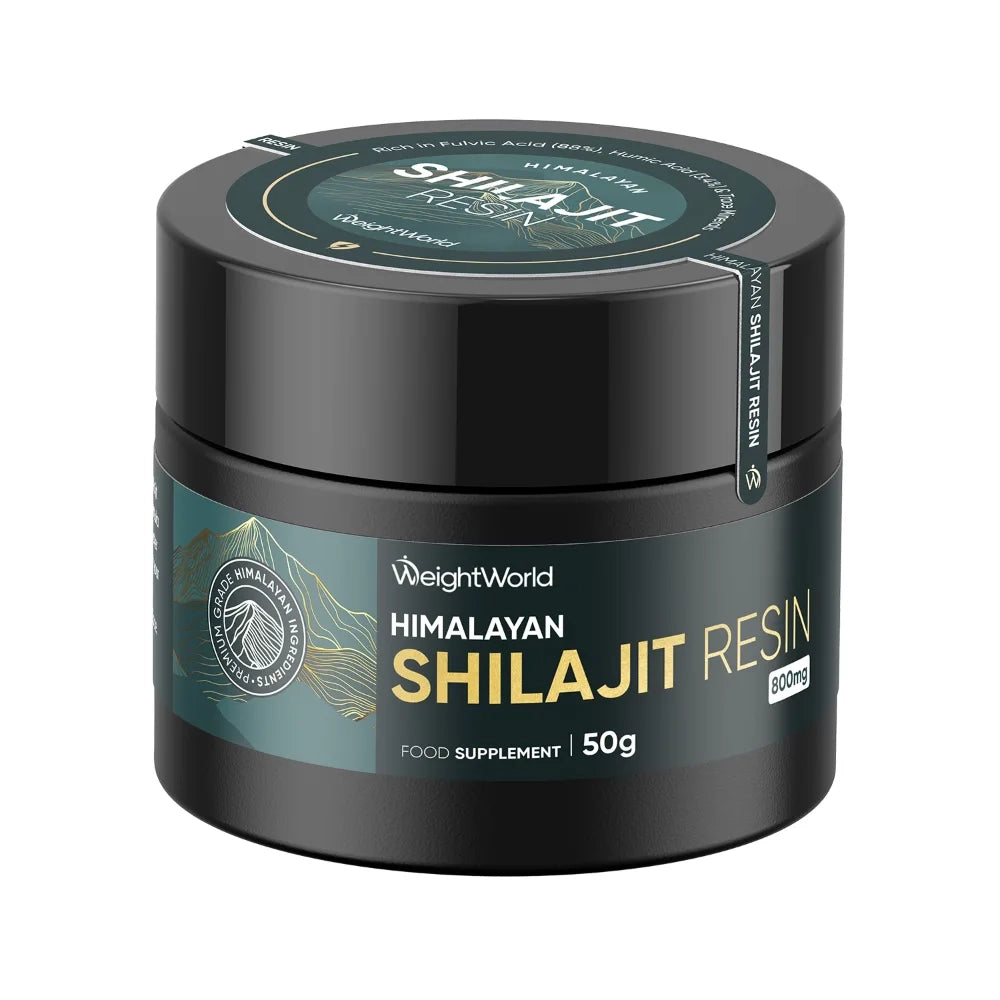
Shilajit has become a staple in the wellness routines of many who seek natural support for energy, stamina, and overall vitality. With a surge of products on the market, especially in the United Kingdom, discerning consumers must know how to verify quality before making a purchase. Understanding the sourcing, processing, testing, and labeling practices behind a supplement can prevent wasted money and potential health risks. This guide outlines the essential steps and considerations for evaluating UK shilajit supplement products, helping you select a trustworthy source that aligns with scientific standards and regulatory requirements.
Understanding Authentic Shilajit
Authentic shilajit is a mineral-rich exudate that oozes from rocks in high-altitude regions such as the Himalayas, Altai, and Caucasus. Its potency depends on several natural factors:
- Geographical origin: Genuine shilajit is harvested from pristine mountain ecosystems where the mineral profile is unique.
- Season of collection: The best quality is obtained during late summer when the resin is most concentrated.
- Traditional processing: Historical methods involve careful cleaning, drying, and purification without harsh chemicals.
When a product claims to be “pure Himalayan shilajit,” it should be able to substantiate the origin and processing steps. If the source is vague or the description relies heavily on marketing buzzwords, further scrutiny is required.
Key Quality Indicators to Verify
1. Third-Party Laboratory Testing
Independent testing is the gold standard for confirming purity, potency, and safety. Look for certificates of analysis (COA) that detail:
- Fulvic acid concentration (typically 30-60% for high-grade shilajit).
- Heavy-metal levels (lead, arsenic, mercury, cadmium) below the limits set by UK Food Standards Agency.
- Microbial contamination checks, including total viable count and absence of pathogens.
Manufacturers that provide a downloadable COA on their product page demonstrate transparency. For a practical example, Discover expert strategies here and see how reputable suppliers present their testing data.
2. Manufacturing Practices
Good Manufacturing Practice (GMP) certification indicates that a product is produced in a controlled environment that minimizes contamination and ensures batch-to-batch consistency. Verify that the brand mentions compliance with:
- ISO 9001 or ISO 22000 standards.
- EU or UK food supplement regulations.
- Specific details about the purification process (e.g., water-based filtration, avoidance of solvents).
When a supplement is manufactured in a facility that also produces pharmaceuticals, the likelihood of stringent quality control increases.
3. Ingredient Transparency
Clear labeling should list:
- Exact amount of shilajit per serving (e.g., 300″?mg of purified resin).
- Any additional excipients or fillers, ideally minimal and clearly identified.
- Allergen information and suitability for vegans/vegetarians if applicable.
Vague statements like “contains natural extracts” without quantification are red flags. For a deeper dive into label analysis, Learn about our tailored solutions that outline what to expect on a high-quality label.
Assessing Supplier Reputation
Beyond the product itself, the credibility of the supplier plays a pivotal role. Consider the following factors:
- Customer reviews: Look for detailed feedback on efficacy, taste, and any adverse reactions.
- Industry endorsements: Recommendations from nutritionists, herbalists, or reputable wellness organisations add weight.
- Longevity in the market: Brands that have operated for several years are more likely to have refined their sourcing and testing protocols.
Reputable UK retailers often host a dedicated FAQ section that addresses common concerns about sourcing and safety. Exploring these resources can provide additional confidence. For instance, Explore advanced guides and tips that compile expert advice on selecting trustworthy vendors.
Practical Steps Before Purchase
- Check the COA: Verify that the certificate is recent (within the last 12 months) and matches the batch number on the product.
- Confirm GMP status: Look for logos or statements confirming compliance with recognized manufacturing standards.
- Read the label: Ensure the exact shilajit content, absence of unnecessary additives, and clear allergen declarations.
- Research the brand: Scan independent review platforms and professional forums for consistent positive feedback.
- Test a small quantity: If possible, start with a single-dose pack to assess personal tolerance before committing to larger orders.
Common Pitfalls to Avoid
- Over-priced “gold-standard” claims: High cost does not guarantee purity; focus on documented testing instead.
- Unverified “organic” labels: Shilajit cannot be certified organic in the traditional sense because it is a mineral-based exudate.
- Excessive filler content: Products that list many binders or artificial flavors may dilute the therapeutic benefits.
- Lack of batch information: Absence of batch numbers or expiration dates makes traceability impossible.
Final Thoughts
Choosing a high-quality shilajit supplement in the UK requires a combination of diligent research, attention to laboratory verification, and awareness of manufacturing standards. By prioritizing third-party testing, transparent labeling, and reputable sourcing, consumers can confidently incorporate shilajit into their wellness regimen. For those seeking a reliable selection of vetted products, Find out more about this approach and explore curated options that meet rigorous quality criteria.
